

You're Missing the Bigger Picture on Twitter
When you scroll through your For You feed on Twitter (now known as X), it feels like you're getting a glimpse of "what's happening right now." However, what you're actually seeing is just a curated slice of a much broader conversation. Twitter's recommendation system decides what content to elevate or hide based on what it thinks will capture your interest, rather than what's truly relevant or comprehensive. This can lead to some significant oversights:
- You might miss posts from accounts you actually follow.
- Trending topics can vary widely between users.
- Whole communities can become invisible.
- Important research can be overlooked, with personalization distorting the overall understanding.
To navigate the platform effectively and get a sense of the real conversation happening, you need a way to see what's being posted without the algorithm's influence.
This article will show how Twitter's algorithm can skew your view at least once a week, backed by academic insights, and how Twitter Viewer offers a clearer, unfiltered perspective on any account or topic.
The filter option in your Twitter feed
1. Engagement Over Content
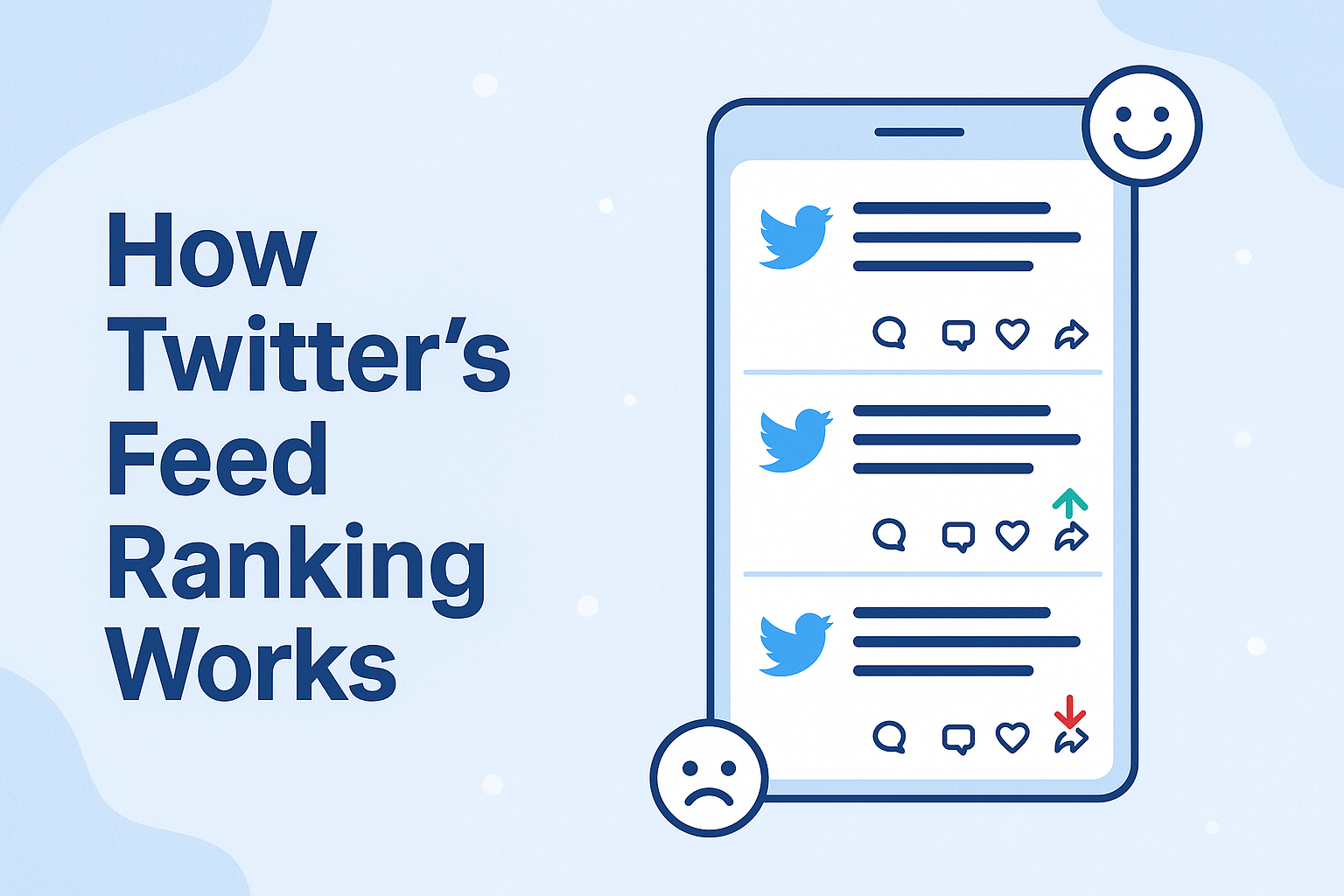
Twitter prioritizes engagement over the richness of content. It's like saying, "Your Facebook feed is biased, so we'll show you the least filtered content." This often includes emotional posts on hot topics, meme-style threads, and video content. Research from Columbia University's Knight Institute highlights that Twitter's algorithm strongly favors content that drives engagement, particularly replies and other high-intent actions.
Essentially, your feed is tailored for interaction, not for a well-rounded view.
2. Weighted Signals—Not All Engagement Counts Equally
Twitter doesn't treat every interaction the same. According to the open-source algorithm:
- Replies get the most weight.
- Retweets are significant.
- Likes have a moderate impact.
- Negative feedback, like "Not interested," heavily downranks content.
- Verified accounts receive extra visibility.
Columbia's analysis reveals that these weighted signals can lead to some users being favored while others are pushed down. Your feed isn't neutral; it's intentionally designed to guide what you see.
3. Soft Filtering—Content Hidden Without Your Knowledge
Not every tweet is outright deleted; many are simply downranked or hidden from your view entirely. Twitter's ranking-driven algorithm can limit the news you see. A survey from the University of Pennsylvania showed that certain news types are emphasized while others get filtered out, often leading users toward less engaging, borderline sensitive posts. This means you might not even realize what content is being kept from you.
4. The Personal Bubble—Why Your Feed Becomes Narrower Over Time
Twitter's algorithm is always learning from your actions. Every like, follow, and pause shapes its understanding of your preferences. Over time, this creates a personalized bubble:
You see more of the same topics.
Exposure to different viewpoints diminishes.
Posts from accounts you follow may quietly disappear.
Trends can differ dramatically from one user to another.
UPenn's research suggests that as personalization increases, exposure to diverse content shrinks, creating vastly different "Twitter worlds" for each user.
5. What You Might Miss Due to Algorithmic Filtering
If you rely solely on your For You feed, you could overlook:
- Posts from accounts you intended to follow.
- Whole sections of ongoing debates.
- Content that doesn't match your usual interactions but could be relevant.
- News stories with lower engagement levels.
In essence, your feed doesn't represent the whole platform—it's more like a highlight reel, curated just for you.
How to See the Full Picture—Twitter Viewer offers
If you're looking to escape the confines of algorithmic filtering, there's a way to see things more clearly:
- Unbiased: No personalization at play.
- Neutral: Doesn't prioritize likes or engagement.
- Transparent: Doesn't hide or downrank content.
- Chronological: Keeps posts in their original order.
That's exactly what Twitter Viewer offers.
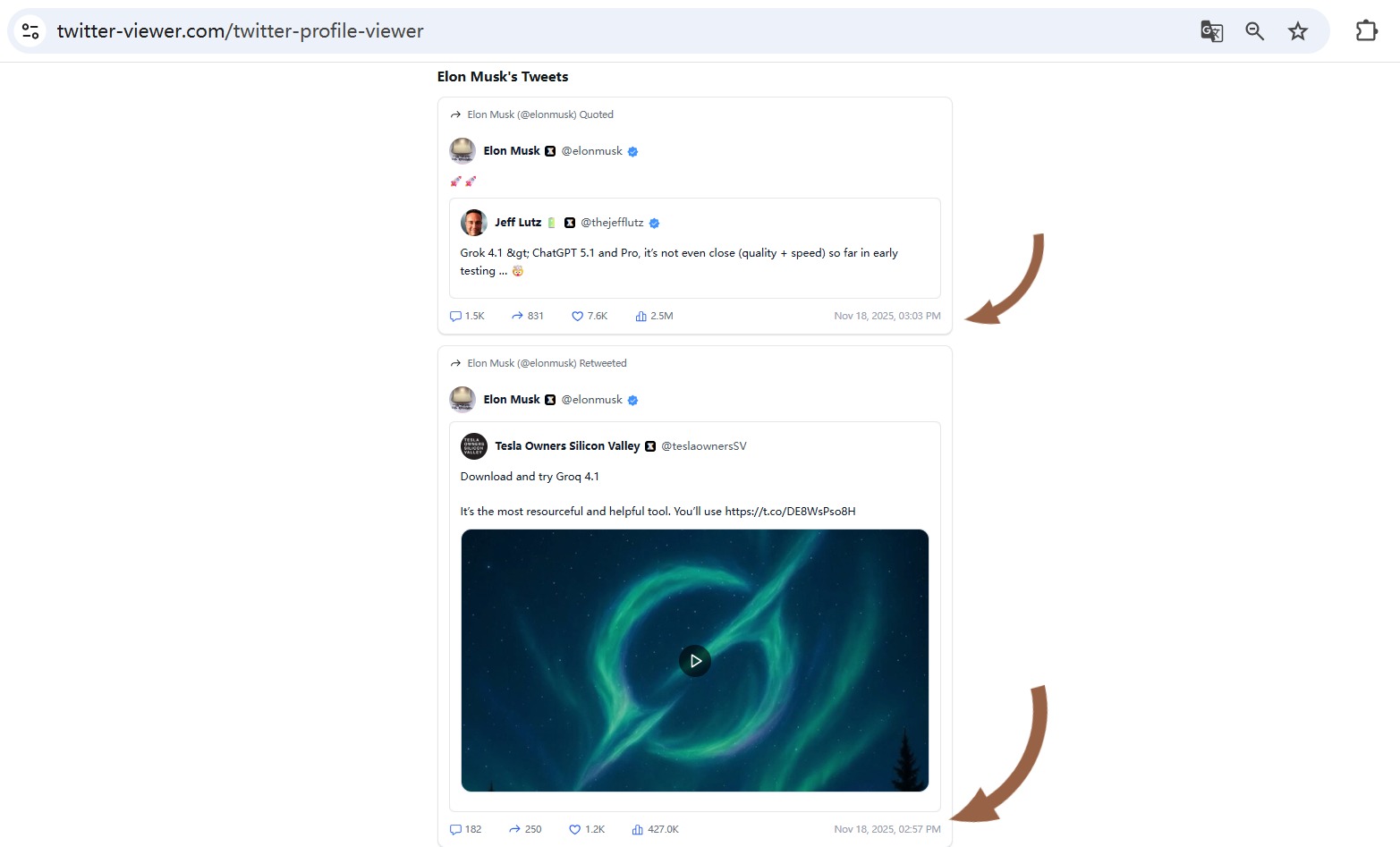
1. View Any Public Account Chronologically
Twitter Viewer lets you see the entire, uninterrupted timeline of any official account—no filtering or rearranging. This means you can access:
- Posts the algorithm might be hiding.
- Low-engagement tweets.
- Unfiltered replies.
- Authentic posting patterns.
- A complete daily record.
This tool is perfect for journalists, researchers, creators, brands, and analysts.
2. Explore Topics Without Affecting Your Feed
Searching for or reading topics on Twitter can influence your For You feed for days. But with Twitter Viewer, you can:
- Keep your feed recommendations intact.
- Maintain a clean interest graph.
- Focus on specific, delicate, or niche topics without muddying your overall feed.
3. Compare Communities Objectively
With Twitter Viewer, you can easily compare how different groups discuss the same event, noticing variations in tone and narrative while accessing unfiltered replies and threads. This helps you break free from the limitations of algorithm-driven bubbles.
4. Track Trends Regularly
Without ranking bias, you can:
- Determine if a trend is organic or artificially inflated.
- Monitor your engagement trends in chronological order.
- Spot downranked or low-visibility content.
This is crucial for anyone conducting media, political, or brand research.
Tips for a More Comprehensive, Unbiased Twitter Experience
- Compare your For You feed to an unfiltered view to uncover missed posts and biases.
- Research topics using Twitter Viewer to keep your feed clean.
- Explore both sides of major events to break free from algorithmic narratives.
- Verify patterns based on raw posts rather than algorithmically curated ones to avoid misinformation.
- Use Twitter Viewer as a "research mode"—ideal for analysts, journalists, marketers, students, and researchers.
Conclusion: Your Feed Is a Filter, Not the Whole Story
Twitter's algorithm is designed to maximize engagement, not provide a complete picture. It selects, ranks, hides, and amplifies content, creating a customized view rather than an honest representation of reality. To truly understand what's happening on the platform, you need a fresh perspective without algorithmic constraints. Twitter Viewer gives you that opportunity:
Access full chronological posts.
Experience unbiased visibility for any specific issue or account.
Make Twitter Viewer your "second viewpoint" and take control of what you see!
FAQs
1. What am I seeing with certain tweets?
The algorithm predicts your engagement.
2. Am I seeing all tweets from accounts I follow?
No, many are filtered or downranked.
3. What makes trends different between users?
Trends are personalized.
4. How do I avoid algorithm bias?
Compare your feed with an unfiltered viewer.
5. Does searching affect my feed?
Yes, it can change your recommendations.
6. Can I browse without signing up?
Yes, you can use Twitter Viewer without login details.
7. How can I see what the algorithm hides?
Compare your feed with a chronological timeline.
8. Is Twitter's algorithm transparent?
No, while some aspects are open-source, many ranking rules remain undisclosed.


